
One of the most famous African-origin religions in Cuba is Santería, also known as the Rule of Ocha, which made its way to our shores from Nigeria during the era of slavery. It’s said that during this journey, a lot of the Yoruba religion’s original elements got lost. But with some clever maneuvers and good old strategy, Nigerian Africans managed to hold onto the most precious parts: their language, customs, music, oral stories, morals, and religion.
Santería, or the Rule of Ocha, has now become a fascinating mix of African roots and Cuban flavor. It’s not just a religion anymore; it’s a whole socio-religious-cultural experience that has touched every corner of our society. Devotees come from all walks of life.
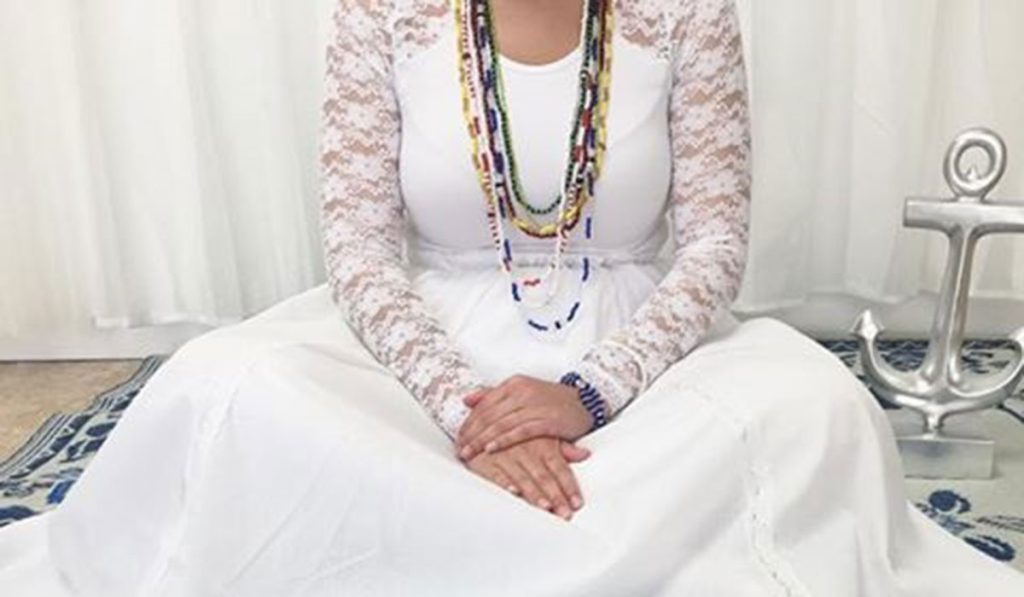
Now, let’s talk about the “Iyabós” — these are the folks who wear the color white for a full year when they’re initiated into Santería. It’s like their visual badge within the Yoruba community. In Cuban slang, “Yabó” means the same thing as Iyabó, just pronounced differently. But in Yoruba religion, it refers to a ritual where you become a practitioner of Ifá or Santería.
During this ritual, the Iyabó gets beaded necklaces and goes through a number of rituals and sacrifices to connect spiritually with the orishas, who are the beloved deities of this tradition. This connection is all about seeking protection and guidance, strengthening the bond between the newbie and the spiritual world. Getting initiated as an Iyabó is a big deal in the Yoruba religion—it marks the beginning of serious commitment to their faith.
What is the significance of the color white for Iyabós in Yoruba religion?
In Yoruba belief, white is all about Olodumare, the big boss deity who’s seen as the source of knowledge and power. Wearing white isn’t just a fashion statement; it’s a direct link to the orishas, symbolizing unity among practitioners. When you’re dressed in white, it’s a reminder that everyone, no matter their background, is on the same spiritual playing field. It’s also a way to show deep respect and devotion.
And psychologically? White brings calm and peace, clearing out all the noise and negativity. It helps Iyabós focus on their religious practices and spiritual connections, boosting their self-esteem and making them feel renewed. Of course, everyone’s experience is different, so the psychological vibes can vary from person to person.
Overall, wearing white in Yoruba religion isn’t just about looking fresh—it’s about strengthening that spiritual link, protecting against bad vibes, and showing pure dedication. It’s a tradition that’s deeply rooted in their beliefs and practices, connecting each practitioner to their spirituality in a personal way.